







Table of contents
1. If Someone Is Sleeping in the Sukkah, Are They Exempt from Shacharit (Morning Prayers)? The Mitzvah Multitasking Mystery So should the sleeping Sukkah-dweller leap up for Shacharit? 2. Taking a Bite in the Sukkah, Walking Out Mid-Munch: Allowed? The Great Chew-and-Walk Debate Why such strong feelings about chewing? Wrapping It Up: The Sukkah Is Holy…But It’s Also Hilariously Human
Every year, as soon as the first panel of bamboo is laid across the frame of a Sukkah, a familiar set of questions reappears: What do I need to eat this in the Sukkah? What if I’m asleep? What if I take a bite of bread and then suddenly remember I left my phone inside?
Most people ask these questions privately. A few ask their rabbis. And then there are the truly brave souls who ask the internet.
So here’s a simple guide to some of the most puzzling halachic questions about Sukkah life.
1. If Someone Is Sleeping in the Sukkah, Are They Exempt from Shacharit (Morning Prayers)?
The Mitzvah Multitasking Mystery
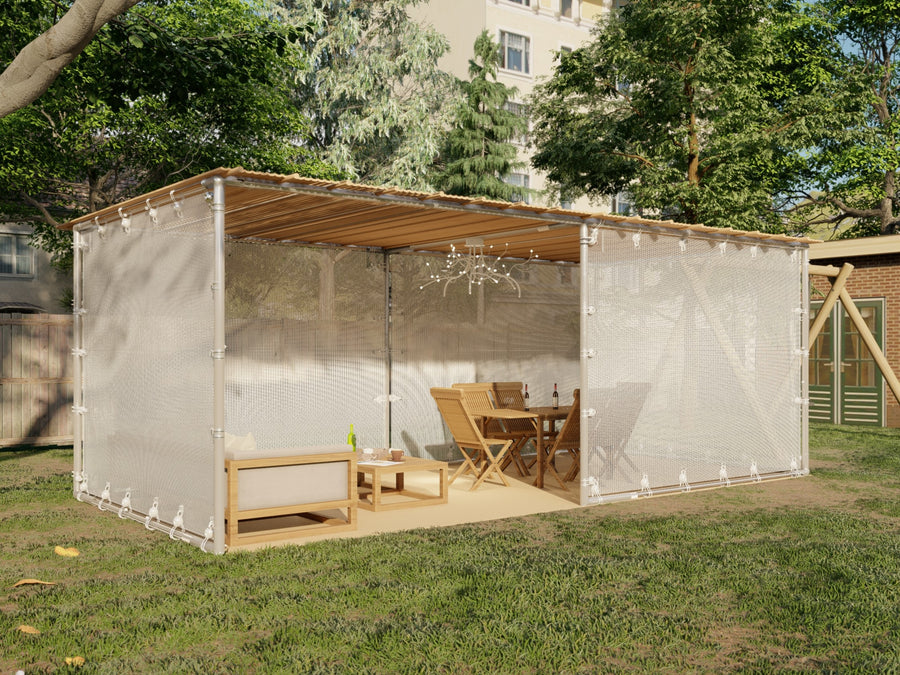
Here’s the scene: sunrise filters through the Schach, birds chirp, and someone is still blissfully asleep in their Sukkah. The question arises: since they’re technically fulfilling the mitzvah of dwelling in the Sukkah (teshvu k’ein taduru – “dwell as you dwell at home”), do they get an automatic exemption from morning Shemoneh Esrei?
Halacha does recognize a concept called “osek b’mitzvah patur min hamitzvah”, meaning “someone engaged in one mitzvah is exempt from another.” But does sleeping count as “engaged”?
Some halachic opinions – usually mentioned with a wink – suggest that a sleeping person is exempt from mitzvot because sleep renders them “anus,” meaning incapacitated beyond their control [Halichot Shlomo, Tefillah, Miluim #12].
According to that line of thinking, someone sound asleep in the Sukkah is indeed exempt from Shemoneh Esrei… but so is someone asleep anywhere. Sleep, it turns out, is an equal-opportunity mitzvah blocker.
So should the sleeping Sukkah-dweller leap up for Shacharit?
Once awake, yes. When conscious, a person is capable of davening in the Sukkah, which is perfectly acceptable. But being asleep itself doesn’t magically trigger a Sukkah-based exemption.
Moral of the story: Sleeping in the Sukkah does not excuse sleeping through morning prayers – but halachically, sleeping through morning prayers anywhere is still…sleeping.
2. Taking a Bite in the Sukkah, Walking Out Mid-Munch: Allowed?
The Great Chew-and-Walk Debate
Picture it: a serene Sukkot afternoon. Someone takes a big bite of delicious challah inside the Sukkah – and then remembers that they left their cup of tea, their phone, or half their kids outside. They wander out, bread still in their mouth. Is this allowed?
Halacha distinguishes between a snack (which can often be eaten outside the Sukkah) and a significant meal, which generally must be eaten inside it. But what about something already in the mouth?
According to several authorities – including Yalkut Yosef, Halichot Olam, Shaar HaTziyun on Orach Chaim 639:29, and the Meiri on Sukkah 26b – one should not continue chewing bread outside the Sukkah if the chewing began inside it [Yalkut Yosef, Moadim p. 143; Halichot Olam II p. 271].
Yes, really.
Why such strong feelings about chewing?
Two theories:
Because chewing is considered part of the eating process, and eating significant grain-based food should occur within the Sukkah.
Because swallowing might happen accidentally, and then – whoops! – you’ve just eaten bread outside the Sukkah.
So, the practical advice from the halachic universe regarding eating in the Sukkah seems to be:
If you started chewing in the Sukkah, stay there until you swallow.
It’s halacha’s gentle way of saying: Finish your bite before chasing after your toddler.
Wrapping It Up: The Sukkah Is Holy…But It’s Also Hilariously Human
So after all the bite-timing dilemmas and mid-slumber exemptions, what’s the takeaway?
Sukkot asks us to elevate the ordinary – sleeping, eating, even chewing – by moving those everyday acts into a little outdoor home lined with branches and starlight. But at the same time, halacha seems to delight in reminding us that humans are, well, human.
We forget things. We wander mid-bite. We oversleep. We chase toddlers. And the laws of eating in the Sukkah, intricate as they can be, make room for that very real, very relatable life.
Ultimately, the message is simple: do your best, stay mindful, and maybe finish your challah before walking out of the Sukkah. The mitzvah is in the dwelling, the intention, and – yes – the occasional comedy of errors that makes Sukkot such a memorable holiday.
And for the record, aphids love these things. Which is a whole different Sukkot conversation.